An Editorial Look at an Old-World Ritual
Inside the Quiet Morning Ritual: What Men Over 50 Are Reading About Baking Soda - Honey Gelatin
This piece walks through the Mediterranean-style tradition behind baking soda – honey gelatin, and why it keeps showing up in kitchen notebooks passed between generations.
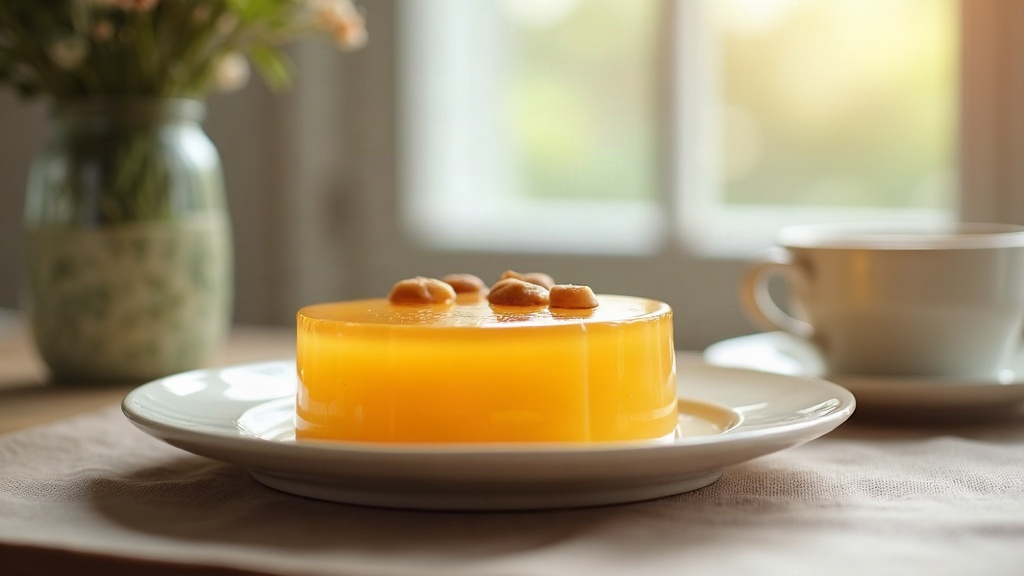
The Morning Most Men Recognize
Six-thirty. Coffee’s on, the kitchen light still yellow against the dark outside. He’s standing at the counter, same as most mornings, feeling like his body needs a minute longer to catch up. Nothing dramatic — just… slower.
The Slow Start
Mornings that used to take ten minutes now take twenty. Kitchen notebooks mention a small routine called baking soda - honey gelatin as part of that slower start.
The Afternoon Dip
That stretch after lunch where focus wanders and the couch looks very appealing.
Restless Nights
Falling asleep is one thing. Staying asleep past 3 a.m. is another conversation entirely.
The Waistband Conversation
Pants that fit fine in spring, less fine by autumn — a familiar plot for a lot of men.
A Ritual Older Than the Kitchen Trend Cycle
Long before wellness blogs existed, coastal Mediterranean households had their own quiet kitchen habits — a pinch of this, a spoon of that, stirred into something warm before the day started. Baking soda – honey gelatin traces back to that same kind of home-kitchen practice, passed along more by memory than by measurement.
The insight isn’t a secret ingredient — it’s the ritual itself: something small, repeated daily, done on purpose.
Myths vs. Facts: Sorting Through the Noise
A lot gets said about old kitchen rituals. Here’s a plain read on some of it.
If it’s traditional, it must be proven by science.
Tradition means a practice has been passed down — it doesn’t by itself mean it’s been clinically studied.
Baking soda – honey gelatin is a fix for aging.
It’s discussed as a small daily habit, not a treatment, cure, or anti-aging solution.
More is always better.
Most kitchen traditions describe small, consistent amounts — not large quantities.
How the Ritual Is Usually Described
Three simple stages people mention when they talk about this morning habit.
Start Small, Same Time
Most notes describe doing it once a day, around the same time — often first thing in the morning.
Warm, Not Hot
The mixture is typically stirred into something warm, not boiling — patience seems to matter here.
Consistency Over Intensity
The habit is described as something repeated daily rather than done occasionally in large amounts.
Signs Worth Paying Attention To
Waking Up Just as Tired
Sleeping a full night but still feeling worn out by mid-morning.
Energy That Drops Fast
A noticeable dip in energy well before the day is halfway done.
Stiffness That Lingers
Morning stiffness that used to fade in minutes now sticking around longer.
Appetite Swings
Feeling unusually hungry, or not hungry at all, without an obvious reason.
Mood That Feels Off
A short fuse or low mood that doesn't seem to match anything specific.
Sleep That's Lighter Than Before
Waking multiple times a night for no clear reason.
What a Few Men Have Shared

Illustrative composite examples. Individual results vary. Not a guarantee.
Questions Readers Ask
No. It’s discussed here as an educational topic and a traditional kitchen habit — not a treatment, cure, or medical intervention.
It’s associated with Mediterranean home-kitchen traditions passed down informally across generations.
This article is educational and doesn’t present clinical research. Always consult a healthcare professional for guidance.
It’s often mentioned in the context of men over 50 looking at simple daily routines, though it isn’t specific to any single group.
Most descriptions mention doing it once daily, often in the morning, though accounts vary.
No. Traditional descriptions emphasize small, consistent amounts rather than large quantities.
Yes. Speak with a healthcare professional before changing your routine, especially if you have existing health conditions.
Curious Enough to Keep Reading?
The full piece walks through the tradition, the ritual, and what people are actually saying about it — no hype, just an editorial look.
Advertising Disclosure: This is sponsored content and may contain affiliate links. If you make a purchase through these links, we may receive compensation at no additional cost to you. This helps support our editorial work.
Content Disclaimer: This content is for educational purposes only and has not been evaluated by the FDA. It is not intended to diagnose, treat, cure, or prevent any disease or condition. Always consult a qualified healthcare professional before making changes to your health routine.
Results Disclaimer: Individual results vary. Testimonials shared on this page reflect personal, illustrative accounts and are not a guarantee of any specific outcome.
© 2026 · All Rights Reserved · Questions? Visit /contact/